
- Home >
- Soccer >
- CAF World Cup Qualifiers >
- Nigeria Sets off Controversy: Accuses DR Congo of Fielding Ineligible Players in 2026 World Cup Qualifiers
Nigeria Sets off Controversy: Accuses DR Congo of Fielding Ineligible Players in 2026 World Cup Qualifiers
Nigeria filed a petition with FIFA alleging that DR Congo fielded ineligible players in the African qualifier for the 2026 World Cup. The controversy shakes African football and puts World Cup qualification in jeopardy.
Nigeria takes the conflict off the pitch
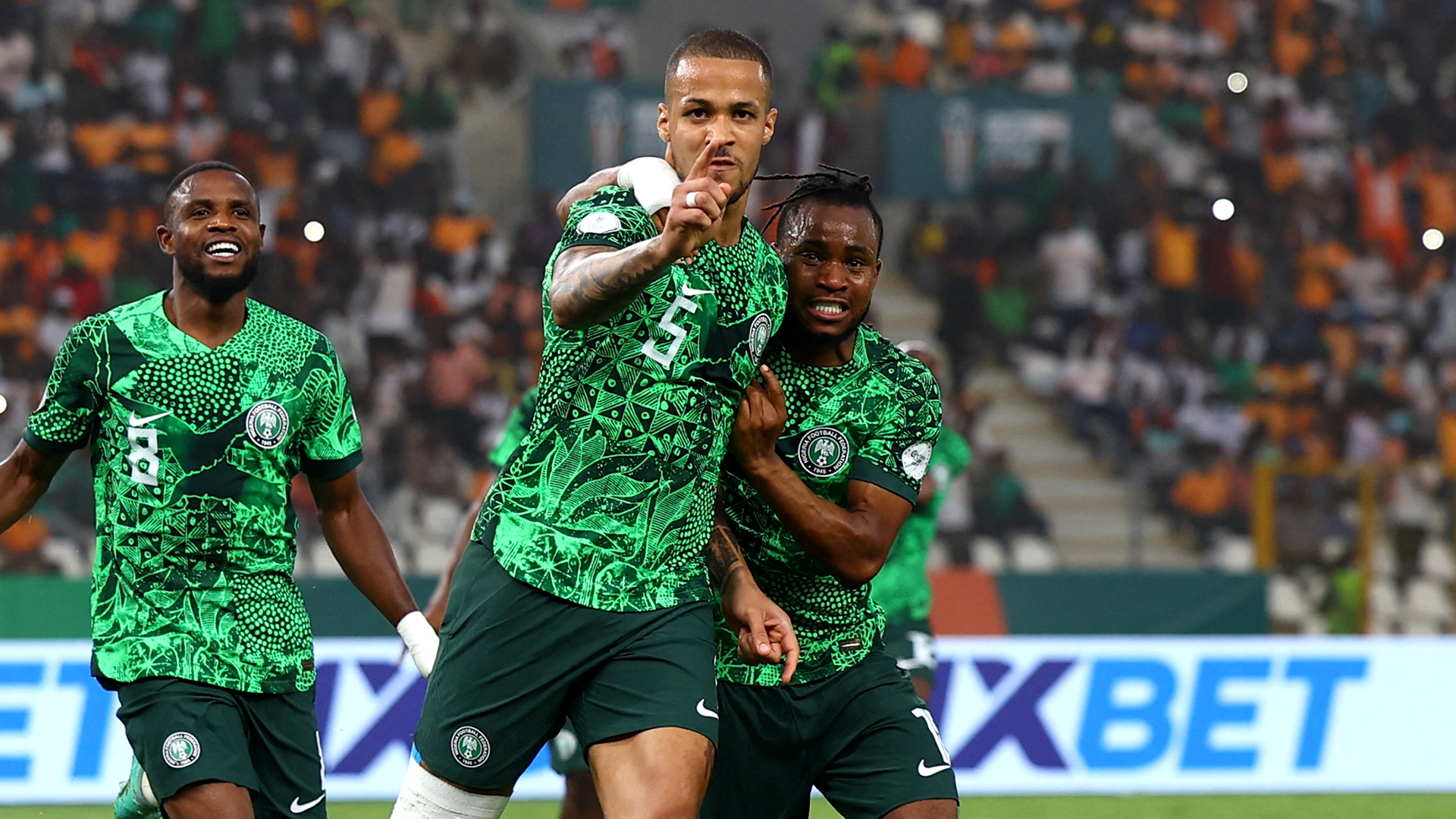
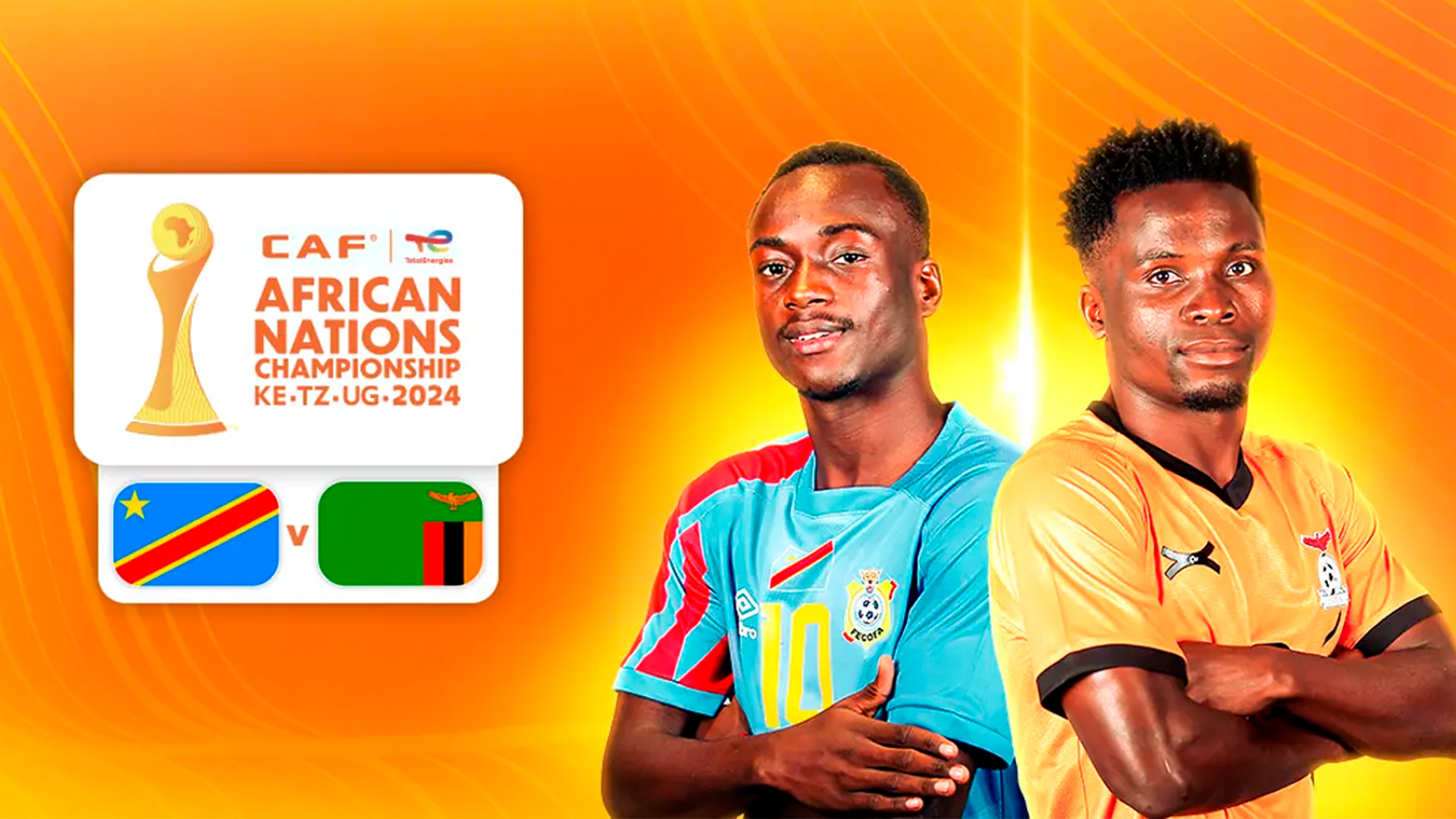
Nigeria’s elimination on penalties against DR Congo in the African qualifiers for the 2026 World Cup did not stay on the field. The Nigeria Football Federation (NFF) filed a formal protest with FIFA, claiming that several Congolese players did not meet the required eligibility criteria. According to Nigerian officials, the inclusion of these dual-nationality players violated DR Congo’s laws, which do not allow dual citizenship.
The NFF argues that although FIFA cleared the players, the information provided by the Congolese federation may have been misleading. “It is not FIFA’s responsibility to enforce Congolese law; they act based on the documentation presented,” stated general secretary Mohammed Sanusi.
All the excitement of AFCON 2025 exclusively on beIN Sports, starting December 21.
Clash between local regulations and international rules
At the heart of the controversy is the difference between national laws and FIFA regulations. Nigeria claims that several players, holding European passports (French, Dutch, and others), retained foreign citizenship while representing DR Congo. Congolese law requires renunciation of other nationalities to be eligible, a step Nigeria asserts was not completed.
For FIFA, eligibility is confirmed if a player holds a passport of the country they represent, without considering conflicts with local laws. This discrepancy highlights ongoing debates on how national rules align with international regulations in a globalized football landscape, particularly in Africa, where many teams rely on Europe-trained players.
DR Congo responds and defends its integrity
The Congolese Football Federation (Fecofa) rejected the allegations, accusing Nigeria of attempting to overturn a result they failed to win on the pitch. On social media, they stated: “If you cannot win on the pitch, do not try to win from the back door. The World Cup must be played with dignity and confidence, not with lawyers’ tricks.” Fecofa insists all players were vetted and approved by FIFA, emphasizing that international regulations take precedence over national citizenship laws in matters of eligibility.
The case is now in the hands of FIFA’s disciplinary bodies, with no set timeline for resolution. Sanctions could range from fines to possible disqualification, though retroactive changes to results are rare without clear evidence of fraud.
Territory for the 2026 World Cup and African football
If Nigeria’s protest succeeds, African qualification plans and participation in the inter-confederation playoffs in March could be affected, where DR Congo seeks to secure a spot in the 2026 World Cup in North America. Beyond the outcome, this conflict exposes persistent tensions in African football, where local laws, dual nationality, and the integration of diaspora players often clash with global regulations.
The dispute raises a critical question: to what extent can bureaucracy and legality influence football’s passion and results? Africa, with its wealth of talent and Europe-based elite players, continues to face dilemmas where politics, law, and sport intersect long before the first whistle of the World Cup.